Mothers of KIA Soldiers
My Andryusha Will Never Come Back
February 18, 2026
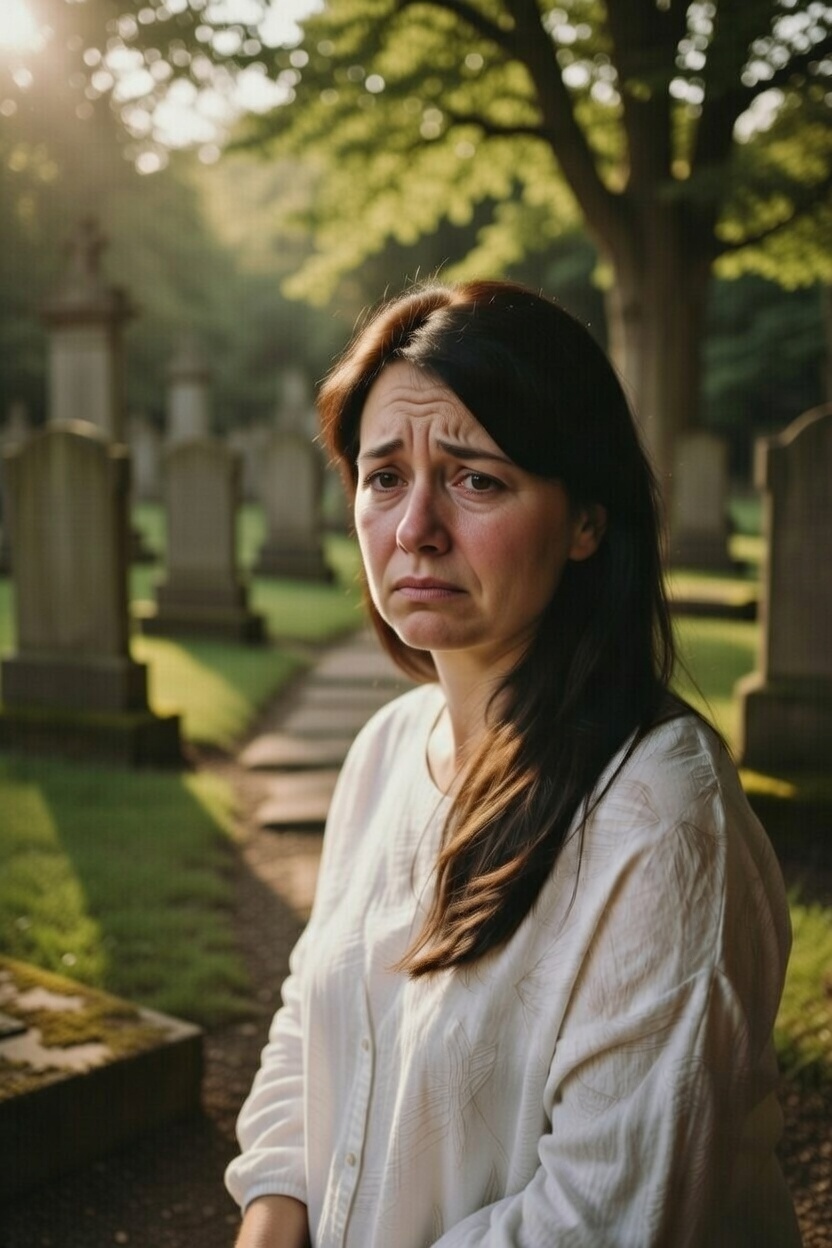
My name is Victoria Tolstaya, I am 45 years old, and I have lived my entire life in Novosibirsk. I worked as a nurse in the neurology department, taking care of strangers so they could get back on their feet. At home, I raised two sons. The older one is now in the army reserve; the younger one, Andrey — my Andryusha — was a professional soldier.When he left for the front in March 2022, I packed every parcel with love: potato dumplings, Alyonka chocolate that he had loved since childhood, and long letters. I wrote to him about how the lilacs bloomed in Novosibirsk, how the birds returned to the Ob River in spring, how everything turns green again. “Hold on, son, and write when you can,” I ended every letter.It came in October 2023. A short notice: he fell during the assault on Avdiivka. No details, no explanation. They just brought the urn with his ashes by train across the whole of Siberia. Since then I have worn his military dog tag around my neck. Every week I go to Zaeltsovsky Cemetery, place fresh pine cones on his grave, and talk to him as if he were sitting next to me on the bench. I tell him about the weather, about the neighbors, about how people at the hospital still ask about him.And I keep asking myself the same question: Why?Why did my nineteen-year-old boy have to die? Why did thousands of other Russian sons have to die? War is pointless. It only takes lives. It takes our children, our boys who were supposed to live, love, have children of their own. Nothing good has come from it, and nothing good ever will. Only empty beds in apartments, black headscarves on mothers’ heads, and endless silence that no heroic story can ever fill.Now I work part-time at the hospital, cook soup just for myself, and look at his photograph in uniform hanging on the wall. In the apartment in the Oktyabrsky district there is the greatest silence in the world — the silence after a son who will never come home again.The war took Andryusha from us. And for what?For nothing.Just for nothing.
Silence after Artyom
February 18, 2026
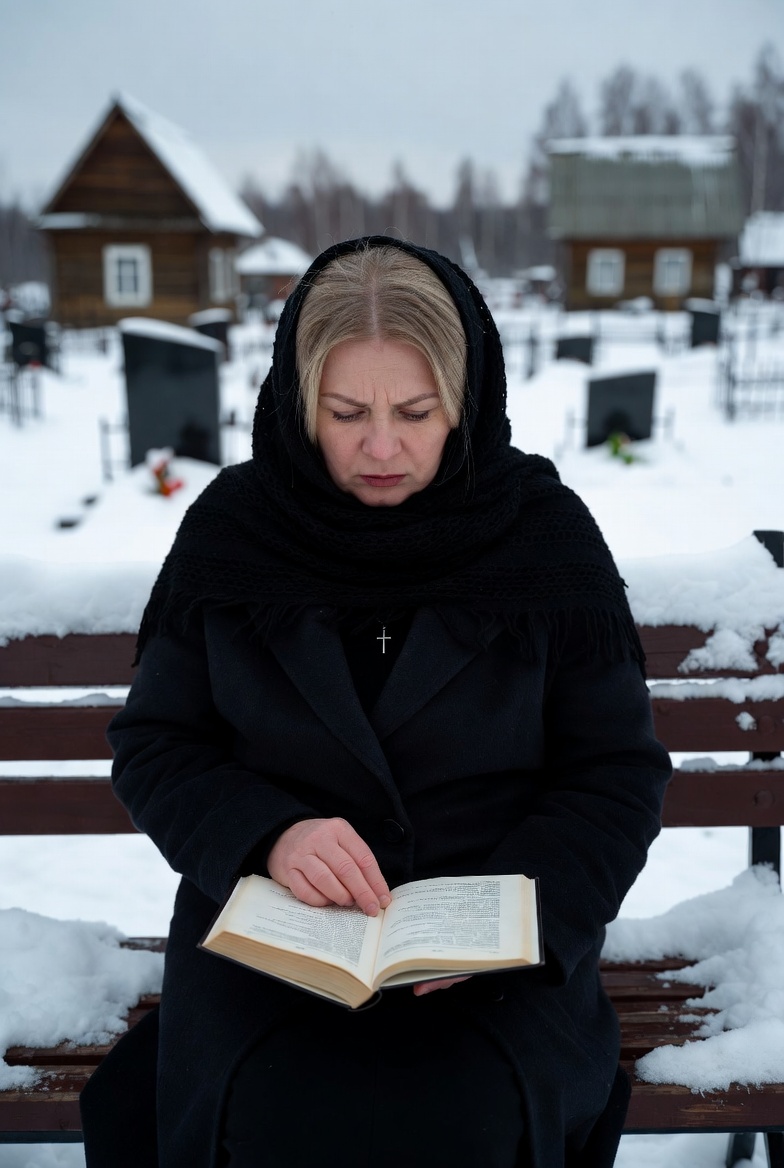
My son Artem died in the summer of 2024 near Volchansk. He was twenty-one. My name is Polina Lukyansheva, I’m 41 years old and I teach Russian and literature at Gymnasium No. 6 here in Tomsk. Artem was my only son. When he was called up for that “special operation” in 2023, he was still such a boy – he was smiling in all directions, he loved fantasy books and asked me if I could send him something to read when the trenches were boring. I packed his parcels every month. I put Pushkin, Yesenin, sometimes some modern book that he liked. Knitted gloves from a neighbor, chocolate, cookies. And letters – long, handwritten. I wrote to him about ordinary things: how the first snow fell on the Tomo River, how birds return to their old nests in spring, how pupils in class argued about “War and Peace”. “Hold on, son. Read when there is a moment of peace. And write when you can.” It came in July. A short military announcement, no details. The body was brought by train across Siberia in a zinc coffin. We buried him in a small cemetery in the Kirovsky District. Since then, I have been wearing his little silver cross around my neck, the one he had as a little boy. I go there every week. I sit on a bench, place my hand on that cold stone, and read poems to him in a whisper. The same ones I taught in class and sent to him in the trenches. Now, after school, I go home to a small apartment in the historic part of the city. I make myself some tea, sit by the window, and look at the old wooden houses. In the classroom where he once sat, his ninth-grade school photo hangs on the bulletin board—he is smiling, hair a little messy. When silence falls in the classroom, I feel it most of all. The greatest silence in the world is in the room where his voice once sounded and where now only that photo and an empty bed remain. Sometimes I tell myself that I should stop reading those poems aloud. But I can’t. It’s the only way to still talk to him. Under that Siberian sky, where he will never hear my voice again.
My Sergei Will Never Open the Door Again
February 11, 2026
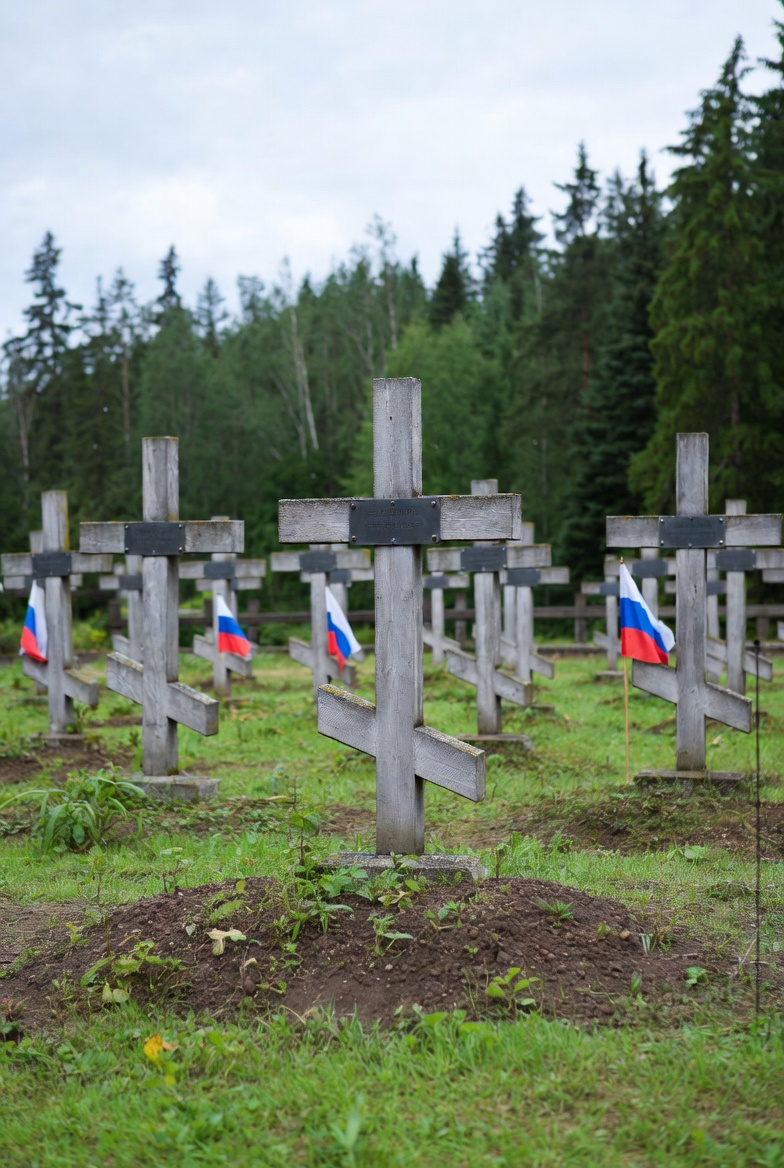
My name is Nadezhda Ulyeva. I am 61 years old and I have lived my entire life here in Moscow. I was an ordinary accountant — whole days in the office, papers, numbers, payrolls. The only thing that truly filled my life was my son Sergei. My only child. I raised him alone after my husband died in 2005. He was strong, a kind boy. He became a professional soldier — he said he wanted to protect the Motherland. I was afraid, but I looked at him proudly in his uniform.When he left for the “special military operation” in February 2022, I packed him parcels every month. Homemade meat pirozhki, which he loved the most, wool socks I knitted for him, chocolate, dried fruit. And most importantly — letters. Long, handwritten ones. I wrote to him about everyday things — how the chestnuts bloomed on Tverskoy Boulevard in Moscow, how the neighbor planted petunias on her balcony again, how I cooked borscht for him and kept it in the freezer for the day he would come back. Every letter ended the same way: “Just hold on, my son. And come back. Please, come back.”It came in April 2023. A short military notification. He fell in the spring during fighting in the east. No details. Just a date and a place. They brought the body in a zinc coffin. We buried him at Khovanskoye Cemetery. Since then I have worn a black headscarf. Every week I go there. I bring fresh flowers — tulips in spring, carnations in summer, chrysanthemums in autumn. I sit on the bench by his grave and talk to him out loud. I tell him about the weather, about how they talk about victory again on television, about how the neighbors asked if I had any news. As if he were listening. As if he were answering me.Now I live alone in a small two-room apartment in southern Moscow. I cook borscht — not for him anymore, but for the neighbors, so they have something warm. Sometimes I meet with other mothers — the ones who also lost their sons. We sit, we are silent, sometimes we cry, sometimes we just hold each other’s hands. None of us has words that could fix it.The greatest pain is not the grave, not the funeral, not even that notification. The greatest pain is the silence. The silence in the apartment where his laughter once rang, his footsteps as he slammed the door, his voice calling “Mom, I’m home!” Now the silence is so loud I hear it in my ears all the time. And in that silence I keep asking the same question over and over: Why? Why did my only son have to die? Why did thousands of other boys have to die? What did we gain from this? What kind of “victory” is worth it when sons don’t come home?I don’t want victory anymore. I just want to hear his voice. I want him to open the door and say: “Mom, I’m back.”But he won’t come back. And I will listen to this silence until the end of my days.Nadezhda Ulyeva Moscow, February 2026